How a TRT Clinic in La Jolla Helps Optimize Men’s Health

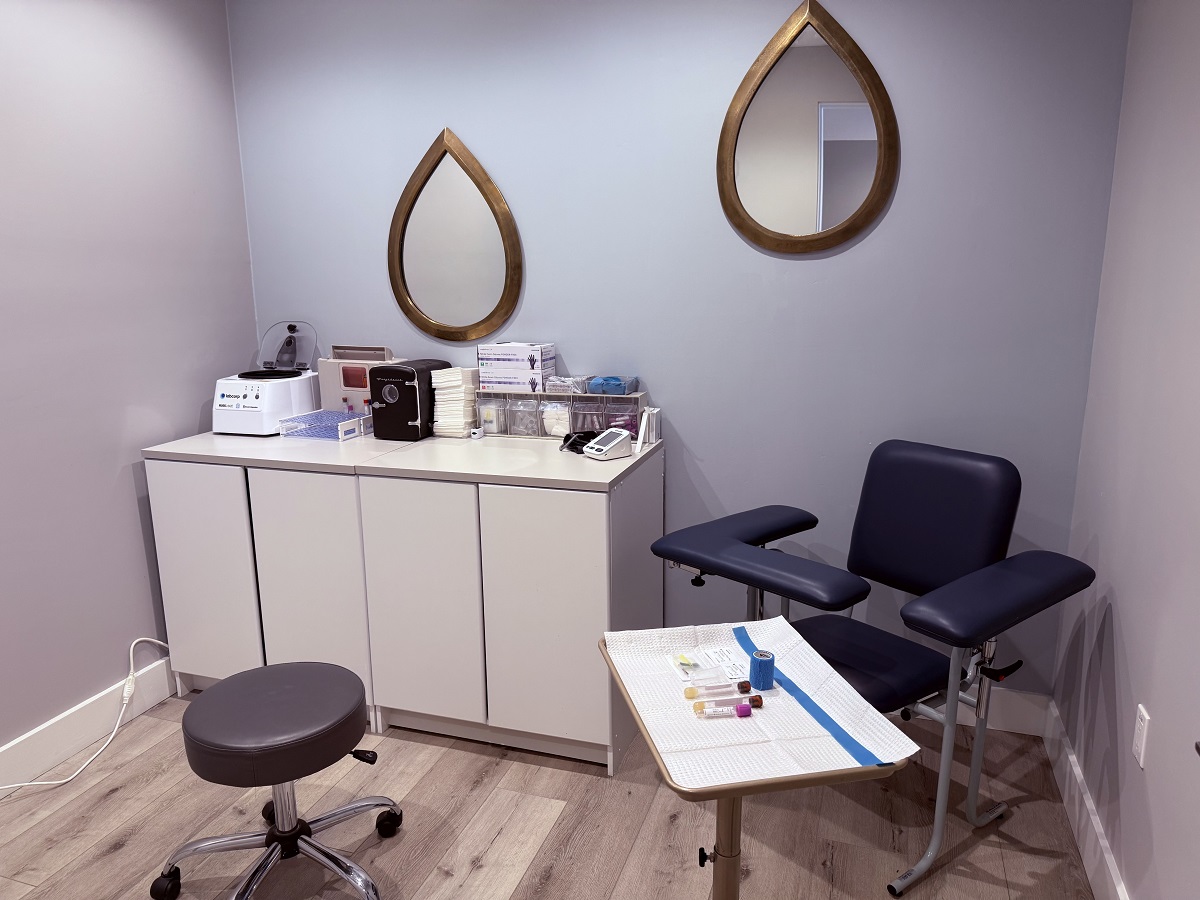
Men rarely walk into a hormone clinic because they feel a little tired. More often, they come in after months or years of noticing that something is off. Their workouts SDBody La Jolla trt clinic La Jolla do not produce the same results. Recovery gets slower. Libido drops. Mood flattens. Sleep becomes lighter, yet they still wake up exhausted. Some describe it as losing their edge. Others say they simply no longer feel like themselves.
That distinction matters. Testosterone replacement therapy is not about chasing a cosmetic ideal or trying to turn back the clock at any cost. At a well-run clinic, the goal is much more practical. It is to identify whether a hormone imbalance is actually contributing to symptoms, rule out other causes, and, when appropriate, build a treatment plan that improves day-to-day function and long-term health.
A good trt clinic La Jolla patients trust does much more than hand out prescriptions. It evaluates the whole picture, symptoms, blood work, body composition, sleep, stress, cardiovascular risk, fertility goals, and follow-up response over time. That broader view is what separates responsible care from quick-fix medicine.
Why men start looking into TRT in the first place
Testosterone naturally changes across adulthood, but symptoms do not always track neatly with age. A man in his late thirties can feel worse than someone in his mid-fifties if poor sleep, excess body fat, chronic stress, insulin resistance, alcohol use, or untreated sleep apnea are part of the equation. I have seen men assume low testosterone was the obvious issue, only to find that the real driver was severe sleep disruption, or a medication side effect, or an undiagnosed thyroid problem. I have also seen the opposite: men who spent years blaming themselves for burnout when the lab work and symptom pattern clearly pointed to hypogonadism.
That is why the early evaluation matters so much. The symptoms of low testosterone overlap with many common conditions. Low energy can stem from overtraining, depression, anemia, diabetes, chronic inflammation, poor sleep, or simply not eating enough protein and calories to support activity. Reduced libido may be hormonal, but it can also be psychological, vascular, relational, or medication-related. Brain fog can reflect hormonal imbalance, but it can just as easily come from sleep debt and elevated stress.
When a clinic treats testosterone as one piece of the puzzle rather than the whole story, outcomes tend to be better. Men feel heard, but they also get the benefit of medical restraint when restraint is warranted.
What a quality TRT clinic in La Jolla actually evaluates
La Jolla attracts a health-conscious patient population. Many men who seek TRT in this area already exercise, pay attention to nutrition, and invest in preventive care. That can be a strength, but it can also make missed diagnoses more frustrating. A physically active man with a disciplined routine often knows when his body is not responding as expected.
A thoughtful clinic usually starts with a detailed conversation rather than jumping straight to treatment. The physician or provider should ask about symptom onset, sleep quality, training load, alcohol use, medications, sexual function, work stress, and body composition changes. They should also review whether the patient wants future fertility, because that single factor can significantly change the treatment approach.
Lab testing is part of the foundation, but not the whole foundation. Testosterone levels can vary by time of day, sleep quality, illness, and recent stress. Most experienced trt clinic La Jolla clinicians want more than one data point, usually morning labs, before making a diagnosis. They may look at total testosterone, free testosterone, sex hormone-binding globulin, estradiol, blood count, metabolic markers, thyroid function, and in some cases pituitary signals such as LH and FSH. Depending on age and history, screening may also include PSA and other markers relevant to prostate health.
The point is not to generate a stack of numbers for its own sake. The point is to understand whether testosterone is low, whether it is appropriately low for the clinical picture, and whether the body is signaling a deeper issue that should be addressed first.
TRT is not just about boosting testosterone
This is one of the biggest misconceptions in men’s health. People often talk about TRT as if it were a simple refill, like replacing a depleted tank. Human physiology is less tidy than that.
When testosterone levels are low, restoring them to an appropriate range can improve energy, libido, erectile function, mood, muscle retention, and training recovery in the right patient. But balance matters. Too little may leave symptoms unchanged. Too much can create new problems, including excess estradiol conversion in some men, acne, fluid retention, irritability, or an elevated hematocrit.
A reputable clinic is not trying to push every patient to the highest possible lab number. It is trying to get the patient to a level where symptoms improve and risk stays manageable. That often requires adjustment over time. Some men feel better with conservative dosing. Others need a different injection schedule or formulation to avoid peaks and crashes. A smaller, more frequent dosing pattern can help some patients feel more stable than a larger weekly dose, though preferences vary.
This is where experience shows. Men often arrive with information picked up from forums, friends, or gym conversations. Some of it is useful. A lot of it is not. Protocols that work well for one person can backfire in another, especially when body size, metabolism, sleep quality, and baseline hormone profile differ.
The La Jolla advantage: lifestyle medicine and hormone care in the same conversation
One reason men seek care in La Jolla is access to providers who understand both medical management and performance-oriented health. In that setting, testosterone optimization is often discussed alongside exercise habits, body composition, cardiovascular health, and stress load rather than in isolation.
That matters because TRT tends to work best when it is not carrying the entire burden of change. A man who starts therapy while also fixing sleep, improving protein intake, reducing visceral fat, and moderating alcohol often sees a very different result from someone expecting the medication alone to compensate for six hours of broken sleep and a high-stress, sedentary routine.
There is a practical truth here that patients appreciate once it is stated clearly: hormones can improve capacity, but they do not replace habits. If you are under-recovered, inflamed, and metabolically strained, the therapy may help, but it may not feel transformative until the underlying friction is addressed.
I have heard clinicians explain this to patients in a way that resonates: testosterone is not a substitute for health, it is one lever within health. Men who understand that from the outset usually make better decisions and stick with follow-up care more consistently.
What treatment may look like
Testosterone replacement therapy can be delivered in several forms, including injections, gels, creams, and less commonly pellets. Each option has trade-offs. Injections are common because they are generally predictable and often cost-effective. Topical preparations appeal to men who want to avoid needles, but absorption can vary, and transfer precautions matter if there are partners or children at home. Pellets offer convenience for some patients but less flexibility when dose adjustments are needed.
A strong clinic spends time matching the delivery method to the patient’s life, tolerance, and goals. A frequent traveler might value one type of regimen. A patient who hates injections may prioritize another. Someone highly sensitive to hormone fluctuations may do better with a more stable schedule.
The first few months are usually the most dynamic. Symptoms may improve in stages rather than all at once. Libido can shift before body composition does. Mood and motivation may lift before strength changes become obvious. It also takes time to see where blood markers settle. Hematocrit, estradiol, and other values should not be guessed at, they should be monitored.
Patients often want a simple timeline, but there is no universal script. Some notice benefits within weeks. Others need a few months and one or two dose refinements before the treatment feels dialed in.
Safety is not a side note
Any honest discussion of TRT has to include the trade-offs. Good care does not minimize them.
Testosterone therapy can suppress the body’s natural production. For men who want to preserve fertility, that is a major issue and needs to be discussed before treatment starts, not after. Some men may be better served by other strategies depending on their hormone pattern and reproductive goals. This is one of the clearest signs of quality care: the provider asks the fertility question early and treats it as central, not incidental.
Monitoring red blood cell production is also important. TRT can increase hematocrit in some men, which may require dose adjustment, changes in administration schedule, or further evaluation. Sleep apnea deserves attention too. Untreated obstructive sleep apnea can worsen fatigue, lower testosterone, raise cardiovascular strain, and complicate treatment response. If a patient snores heavily, wakes unrefreshed, or has witnessed apneas, a careful clinic should take that seriously.
Prostate monitoring is another area where nuance matters. Men hear oversimplified messages on both ends, either alarmist or dismissive. The responsible position is that symptoms, age, family history, baseline screening, and ongoing changes all matter. That is why individualized oversight is so important.
A clinic that treats follow-up as optional is not practicing optimization. It is practicing guesswork.
The men who benefit most are not always who people expect
There is a stereotype that TRT is mainly for older men struggling with age-related decline. In reality, the patient population is more mixed. Some are in their forties and fifties with a classic symptom pattern and documented deficiency. Some are younger men with clear endocrine issues. Others are high-performing professionals who have been masking fatigue for years with caffeine, adrenaline, and discipline until the body stops cooperating.
The men who do best are usually not the ones looking for a shortcut. They are the ones willing to be evaluated thoroughly, follow instructions, repeat labs, and make changes outside the prescription itself. They understand that feeling better is not one event. It is a process of calibration.
An anecdotal pattern comes up often in practice. A patient starts treatment expecting only improved libido or gym performance. Three months later, he says the biggest difference is that he no longer feels emotionally flat, or that he has patience again at home, or that he can focus through the afternoon without crashing. Those are not flashy changes, but they matter deeply. Men’s health is not just about physical performance. It is also about cognitive stamina, mood stability, and presence in daily life.
What separates a serious clinic from a testosterone mill
The rise in hormone awareness has created both better access and more noise. Some clinics offer careful, evidence-informed care. Others are built around speed, sales, and minimal oversight. The difference is usually obvious once you know what to look for.
A serious clinic does not promise identical results to every patient. It does not prescribe based on symptoms alone without appropriate lab work. It does not ignore blood pressure, sleep, fertility, or cardiovascular risk factors. And it does not lock every patient into the same protocol regardless of age, body size, symptoms, or response.
Most importantly, it is willing to say no. If the labs do not support TRT, or if another diagnosis appears more likely, the provider should pivot. That can be disappointing in the moment, but it is often the most medically sound decision.
If a man is evaluating a trt clinic La Jolla offers, he should listen carefully to how the conversation feels. Is the provider asking enough questions? Are they interested in context or only in closing a treatment plan? Do they explain uncertainty and trade-offs, or do they oversell certainty? Medicine is rarely perfect, but thoughtful medicine has a distinct texture. It feels measured, curious, and accountable.
Why follow-up care determines whether optimization actually happens
Starting TRT is easy compared with managing it well over time. The long-term value comes from the follow-up.
Hormone therapy should be reassessed regularly, especially in the first year. That includes symptom review, repeat labs, and practical quality-of-life questions. Is energy truly better, or just more variable? Has libido improved without unwanted side effects? Is sleep better, worse, or unchanged? Has body composition shifted in a meaningful way? Are blood markers staying in a safe range?
These conversations refine the treatment. Sometimes the dose is fine but the schedule is not. Sometimes the patient feels better hormonally but is still held back by poor sleep or elevated stress. Sometimes the therapy is working exactly as intended, and what the patient needs most is reassurance that slower body composition changes are normal.
One of the least appreciated benefits of a good clinic is continuity. Men tend to do better when they are not reinventing the process every few months. Stable care creates cleaner data, better judgment, and fewer swings between over-treatment and under-treatment.
The broader view of men’s health
TRT can be a powerful tool, but it is only one part of optimizing men’s health. The best outcomes happen when hormone care sits inside a larger framework of prevention. That includes blood pressure control, metabolic health, resistance training, sleep quality, stress management, and appropriate screening as men age.
La Jolla is a place where many patients already understand that wellness is cumulative. They are not just trying to add muscle or restore libido. They want to stay mentally sharp, physically capable, and resilient through demanding careers, parenting, athletics, and aging. A good clinic can support that aim by using testosterone therapy judiciously, not as a trend, but as a medical intervention with a clear rationale and a clear monitoring plan.
For the right patient, that can be life-changing in a grounded, unglamorous, deeply useful way. He trains better because recovery improves. He shows up more consistently at work because focus returns. He reconnects with his partner because libido and confidence improve. He stops feeling like he is dragging himself through the day.
That is what optimization should mean in this setting. Not excess. Not hype. Better function, better oversight, and better alignment between how a man feels and how he is trying to live.
Choosing care with clear eyes
Men considering TRT should resist two extremes. One is skepticism so rigid that they dismiss a legitimate hormone problem. The other is enthusiasm so strong that they treat testosterone as a universal answer. The right path sits in the middle.
A clinic worth trusting will evaluate thoroughly, treat conservatively when needed, and adjust with discipline rather than guesswork. It will explain what TRT can improve, what it cannot, and what has to be monitored along the way. It will also recognize when another issue deserves attention first.
For men dealing with persistent fatigue, low libido, reduced strength, slower recovery, or a loss of vitality that does not fit their usual baseline, a qualified trt clinic La Jolla residents can access may provide the structure and expertise needed to sort out the cause. Sometimes the answer is testosterone replacement therapy. Sometimes it is sleep medicine, weight loss, stress reduction, thyroid treatment, or a different intervention entirely.
Either way, careful evaluation is where real progress begins. When hormone care is handled responsibly, it does more than raise a number on a lab report. It helps restore capacity, confidence, and health in a way that is measurable, sustainable, and tailored to the man sitting in the room.
SDBody La Jolla
7710 Fay Ave, La Jolla, CA 92037
+1 858-401-2383
FAQ About trt clinic La Jolla
How much should my TRT cost?
TRT costs depend on the clinical evaluation, medication, laboratory testing, and follow-up plan. Ask for an itemized estimate that includes the initial visit and ongoing monitoring. SDBody La Jolla can explain its current fees after discussing the services being considered.
Will Insurance Pay for TRT in La Jolla?
Coverage depends on your plan, diagnosis, prescribed treatment, and provider network. Ask your insurer about medical necessity requirements, prior authorization, laboratory coverage, and out-of-pocket costs. Confirm SDBody La Jolla's billing arrangements directly; insurance payment is not guaranteed.
Is TRT safer than steroids?
Testosterone is itself an anabolic steroid. Clinician-prescribed replacement for confirmed testosterone deficiency differs from nonmedical steroid use, but it still carries risks and requires monitoring. Possible concerns include increased red blood cell levels and reduced sperm production. Discuss your medical history and fertility goals with a qualified clinician before considering treatment.